


Have you noticed a bony protrusion on the side of your big toe? If so, you may have developed the foot condition known as a bunion. Don't let bunions interfere with your daily activities.

Have you noticed a bony protrusion on the side of your big toe? If so, you may have developed the foot condition known as a bunion. Don't let bunions interfere with your daily activities.
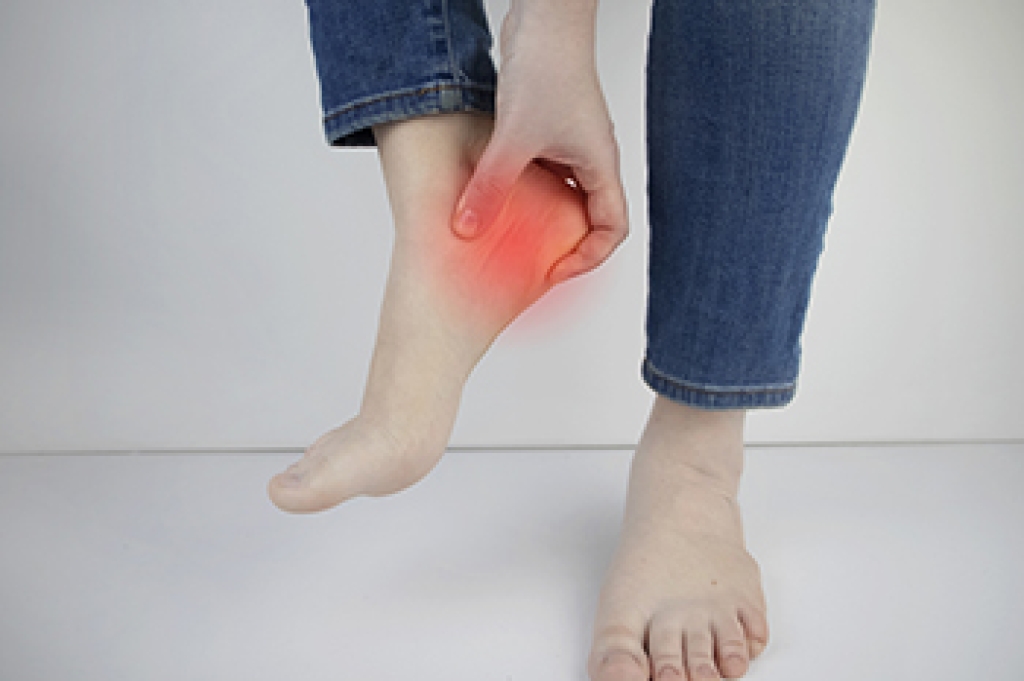
Plantar fasciitis is a common condition involving inflammation of the thick band of tissue that supports the arch of the foot. It often causes sharp pain in the heel, especially with the first steps in the morning or after periods of rest. This discomfort typically lessens as walking continues, but it may return after long periods of exertion. Pain is usually felt along the bottom of the heel and arch. Risk factors include prolonged standing, tight calf muscles, and flat feet. Having high arches and wearing shoes that lack support are other factors. Early attention can prevent worsening symptoms. A podiatrist can diagnose the condition, recommend stretching, orthotics, and other treatments to reduce strain. If you have heel pain, it is suggested that you promptly consult a podiatrist who can begin effective relief and treatment solutions.
Plantar fasciitis is a common foot condition that is often caused by a strain injury. If you are experiencing heel pain or symptoms of plantar fasciitis, contact Dr. Charles Marchese from Manalapan Foot & Ankle. Our doctor can provide the care you need to keep you pain-free and on your feet.
What Is Plantar Fasciitis?
Plantar fasciitis is one of the most common causes of heel pain. The plantar fascia is a ligament that connects your heel to the front of your foot. When this ligament becomes inflamed, plantar fasciitis is the result. If you have plantar fasciitis you will have a stabbing pain that usually occurs with your first steps in the morning. As the day progresses and you walk around more, this pain will start to disappear, but it will return after long periods of standing or sitting.
What Causes Plantar Fasciitis?
There are some risk factors that may make you more likely to develop plantar fasciitis compared to others. The condition most commonly affects adults between the ages of 40 and 60. It also tends to affect people who are obese because the extra pounds result in extra stress being placed on the plantar fascia.
Prevention
There are a variety of treatment options available for plantar fasciitis along with the pain that accompanies it. Additionally, physical therapy is a very important component in the treatment process. It is important that you meet with your podiatrist to determine which treatment option is best for you.
If you have any questions, please feel free to contact our office located in Manalapan, NJ . We offer the newest diagnostic and treatment technologies for all your foot care needs.
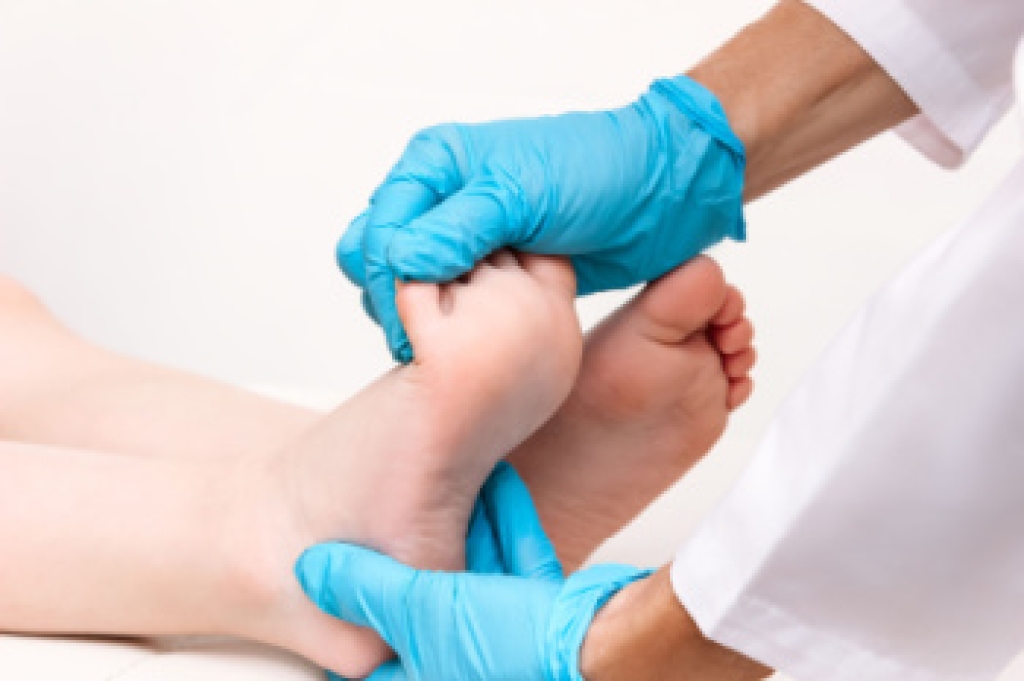
Gait refers to the way a person walks, and in children it can sometimes develop in patterns that raise concern. Pigeon toe, also called in-toeing, is when the feet turn inward while walking. Out-toeing occurs when the feet point outward. Toe walking is when a child walks on the balls of the feet without the heels touching the ground. These patterns may be linked to muscle imbalance, bone alignment, or developmental factors. Risk factors include family history, tight muscles, or neurological conditions. A podiatrist can evaluate walking patterns, provide guidance, and recommend supportive care or treatment when needed. If you notice your child has any of these walking patterns, it is suggested that you consult a podiatrist who can guide you on improving and managing these conditions.
Making sure that your children maintain good foot health is very important as they grow. If you have any questions, contact Dr. Charles Marchese of Manalapan Foot & Ankle. Our doctor can provide the care you need to keep you pain-free and on your feet.
Keeping Children's Feet Healthy
Having healthy feet during childhood can help prevent medical problems later in life, namely in the back and legs. As children grow, their feet require different types of care. Here are some things to consider...
Although babies do not walk yet, it is still very important to take care of their feet.
Avoid putting tight shoes or socks on his or her feet.
Allow the baby to stretch and kick his or her feet to feel comfortable.
As a toddler, kids are now on the move and begin to develop differently. At this age, toddlers are getting a feel for walking, so don’t be alarmed if your toddler is unsteady or ‘walks funny’.
As your child gets older, it is important to teach them how to take care of their feet.
Show them proper hygiene to prevent infections such as fungus.
Be watchful for any pain or injury.
Have all injuries checked by a doctor as soon as possible.
Comfortable, protective shoes should always be worn, especially at play.
If you have any questions, please feel free to contact our office located in Manalapan, NJ . We offer the newest diagnostic and treatment technologies for all your foot care needs.
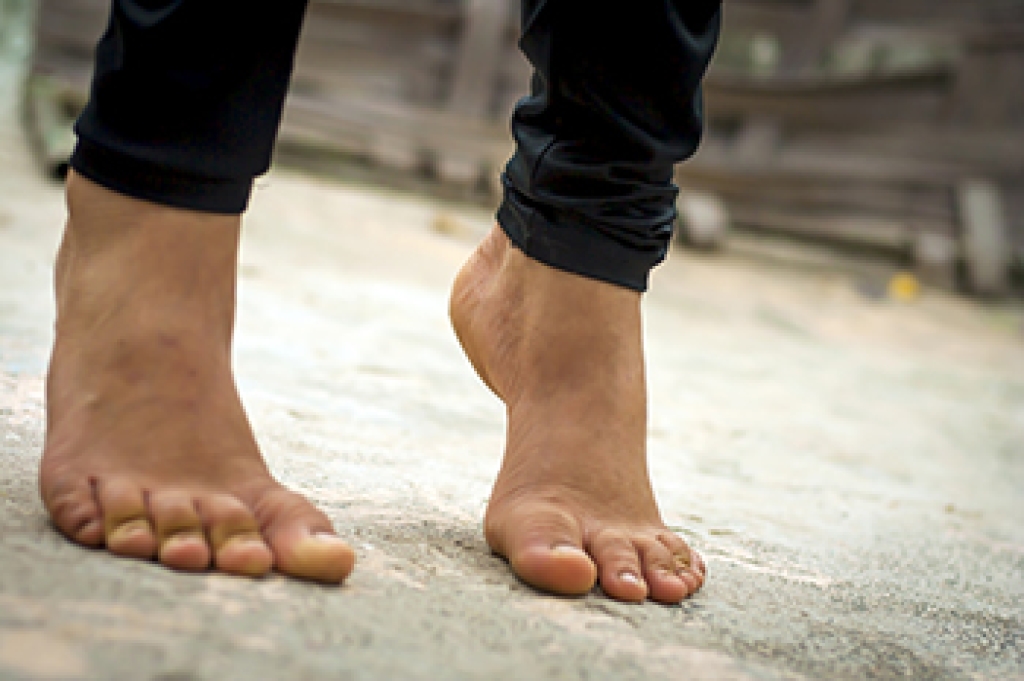
Proprioception is the body’s ability to sense position and movement without looking. It allows people to walk, stand, and adjust balance with ease. When this system does not work well, coordination and stability can suffer. Poor proprioception can lead to frequent missteps, ankle sprains, and falls, especially on uneven surfaces. It may also cause slower reaction times, making it harder for the feet and ankles to respond to sudden changes in movement. Causes include aging, previous injuries, nerve problems, and reduced joint awareness. A podiatrist can evaluate balance, joint motion, and nerve function to determine the source of the problem. Treatment plans include targeted exercises, bracing, or custom orthotics to improve foot stability and alignment. If you have symptoms of poor proprioception, it is suggested that you schedule an appointment with a podiatrist for a diagnosis and appropriate treatment.
If you have any concerns about your feet, contact Dr. Charles Marchese from Manalapan Foot & Ankle. Our doctor can provide the care you need to keep you pain-free and on your feet.
Biomechanics in Podiatry
Podiatric biomechanics is a particular sector of specialty podiatry with licensed practitioners who are trained to diagnose and treat conditions affecting the foot, ankle and lower leg. Biomechanics deals with the forces that act against the body, causing an interference with the biological structures. It focuses on the movement of the ankle, the foot and the forces that interact with them.
A History of Biomechanics
Modern technological improvements are based on past theories and therapeutic processes that provide a better understanding of podiatric concepts for biomechanics. Computers can provide accurate information about the forces and patterns of the feet and lower legs.
Understanding biomechanics of the feet can help improve and eliminate pain, stopping further stress to the foot.
If you have any questions please feel free to contact our office located in Manalapan, NJ . We offer the newest diagnostic and treatment technologies for all your foot and ankle needs.

If left untreated, an ingrown toenail can lead to more serious concerns, such as an infection. Knowing proper nail care can help in the prevention of an ingrown toenail. Give us a call, and get treated!


Copyright © Manalapan Foot & Ankle | Site Map | Nondiscrimination | Design by: Podiatry Content Connection